Trump’s recent fury showed how much he expects top officials in federal law enforcement to carry out his retribution.
He was enraged when Erik S. Siebert, the U.S. attorney for the Eastern District of Virginia, decided there was insufficient evidence to charge two people Trump regards as enemies: former FBI director James Comey and New York Attorney General Letitia James.
“I want him out,” Trump angrily told reporters on Sept. 19, 2025. Siebert resigned, although Trump claimed he had fired him.
Trump’s most recent demands for retribution came soon after top adviser Stephen Miller’s vow to prosecute leftists in the “vast domestic terror movement” – that the administration blames, without evidence, for Charlie Kirk’s assassination – using “every resource we have.”
As the director of the FBI, Patel will likely be in charge of the investigations of perceived enemies generated by the Department of Justice and the White House. He already has sacrificed the bureau’s independence, making it essentially an arm of the White House.
This isn’t the first time an FBI director has been driven by a desire to suppress the rights of people perceived to be political enemies. Hoover, director until his death in 1972, operated a secret FBI within the FBI that he used to destroy people and organizations whose political opinions he opposed.
FBI Director Kash Patel reacts to Donald Trump’s address to a joint session of Congress at the U.S. Capitol on March 4, 2025. AP Photo/Ben Curtis
A burglary’s revelations
Hoover’s secret FBI was revealed, beginning in 1971, when a group of people called the Citizens Commission to Investigate the FBI broke into an FBI office and removed files.
This group suspected Hoover’s FBI was illegally suppressing dissent. Given Hoover’s enormous power, they thought it was unlikely any government agency would investigate the FBI. They decided documentary evidence was needed to convince the public that suppression of dissent – what they considered a crime against democracy – was taking place.
A historical marker commemorates the site of the burglary that exposed COINTELPRO. Betty Medsger
The files they stole and made public confirmed the FBI was suppressing dissent. But they revealed much more: Hoover’s secret FBI and the startling crimes he had committed. These secret operations had become so extensive that they eventually diminished the bureau’s capacity to carry out its core mission: law enforcement.
Hoover, one of the most admired and powerful officials in the country, had secretly conducted a wide array of operations directed against people whose political opinions he opposed.
The files revealed that agents were instructed to “enhance paranoia” and make activists think there was an FBI agent “behind every mailbox.” Questioning Vietnam war policy could cause anyone, even a U.S. senator, Democrat J. William Fulbright of Arkansas, to be placed under FBI surveillance.
It was the revelation of Hoover’s worst operations, COINTELPRO – what Hoover called The Counter Intelligence Program – that made Americans demand investigation and reform of the FBI. Until the mid-1970s, there had never been oversight of the FBI and little coverage of the FBI by journalists, except for laudatory stories.A video chronicle about the 1971 break-in at an FBI office in Media, Pa., that uncovered vast FBI abuses.
‘Almost beyond belief’
The COINTELPRO operations ranged from crude to cruel to murderous.
Antiwar activists were given oranges injected with powerful laxatives. Agents hired prostitutes known to have venereal disease to infect campus antiwar leaders.
Many of the COINTELPRO operations were almost beyond belief:
· The project conducted against the entire University of California system lasted more than 30 years. Hundreds of agents and informants were assigned in 1960 to spy on each of Berkeley’s 5,365 faculty members by reading their mail, observing them and searching for derogatory information – “illicit love affairs, homosexuality, sexual perversion, excessive drinking, other instances of conduct reflecting mental instability.”
· An informant trained to give perjured testimony led to the murder conviction of Black Panther Geronimo Pratt, a decorated Vietnam War veteran. He served 27 years in prison for a murder he did not commit. He was exonerated in 1997 when a judge found that the FBI concealed evidence that would have proved Pratt’s innocence.
· The bureau spied for years on Martin Luther King Jr. After it was announced King would receive the 1964 Nobel Peace Prize, Hoover approved a particularly sinister plan that was designed to cause King to commit suicide.
A letter sent anonymously by the FBI to Martin Luther King Jr. in 1964 urging him to commit suicide. Wikipedia
· What one historian called Hoover’s “savage hatred” of Black people led to the FBI’s worst operation, a collaboration with the Chicago police that resulted in the killing of Chicago Black Panther Fred Hampton, shot dead by police as he slept. An FBI informant had been hired to ingratiate himself with Hampton. He came to know Hampton and the apartment very well. He drew a map of the apartment for the police on which he located “Fred’s bed.” After the killing, Hoover thanked the informant for his role in this successful operation. Enclosed in his letter was a cash bonus.
· Actress Jean Seberg was the victim of a 1970 COINTELPRO operation. In a memo, Hoover wrote that she had donated to the Panthers and “should be neutralized.” Seberg was pregnant, and the plot, approved personally by Hoover – as many COINTELPRO plots were – called for the FBI to tell a gossip columnist that a Black Panther was the father. Agents gave the false rumor to a Los Angeles Times gossip columnist. Without using Seberg’s name, the columnist’s story made it unmistakable that she was writing about Seberg. Three days later, Seberg gave birth prematurely to a stillborn white baby girl. Every year on the anniversary of her dead baby’s birth, Seberg attempted suicide. She succeeded in August 1979.
There was wide public interest in these revelations about COINTELPRO, many of which emerged in 1975 during hearings conducted by the Church Committee, the Senate committee chaired by Sen. Frank Church, an Idaho Democrat.
At this first-ever congressional investigation of the FBI and other intelligence agencies, former FBI officials testified under oath about bureau policies under Hoover.
“Never once did I hear anybody, including myself, raise the questions: ‘Is this course of action which we have agreed upon lawful? Is it legal? Is it ethical or moral?’ We never gave any thought to that line of questioning because we were just pragmatic. The one thing we were concerned about: will this course of action work, will it get us what we want.”
As for Patel, fired FBI Officials stated in their recent lawsuit over those dismissals that Patel had told one of them it was “likely illegal” to fire agents because of the cases they had worked on, but that he was powerless to resist Trump’s demands.
The recent statements from both Trump and top aide Miller suggest the FBI’s independence, and broader constitutional requirements that the administration remain faithful to the law, are meaningless to them. They suggest that, like Hoover, they would criminalize dissent.
What will happen at the FBI after the internal purge ends? Will retribution fever wane? Will Patel refocus on the bureau’s chief mission, law enforcement? And will the questions asked in Congress in 1975, as the bureau was being forced to reject Hoover’s worst practices, be asked now: Is what we are doing ethical? Is it legal?
“Get him off the table,” the doctor recalled telling the surgical team at SSM Health Saint Louis University Hospital as the team cleaned Black’s chest and abdomen. “This is my patient. Get him off the table.”
At first, no one recognized Zohny Zohny in his surgical mask. Then he told the surgical team he was the neurosurgeon assigned to Black’s case. Stunned by his orders, the team members pushed back, Zohny said, explaining that they had consent from the family to remove Black’s organs.
“I don’t care if we have consent,” Zohny recalled telling them. “I haven’t spoken to the family, and I don’t agree with this. Get him off the table.”
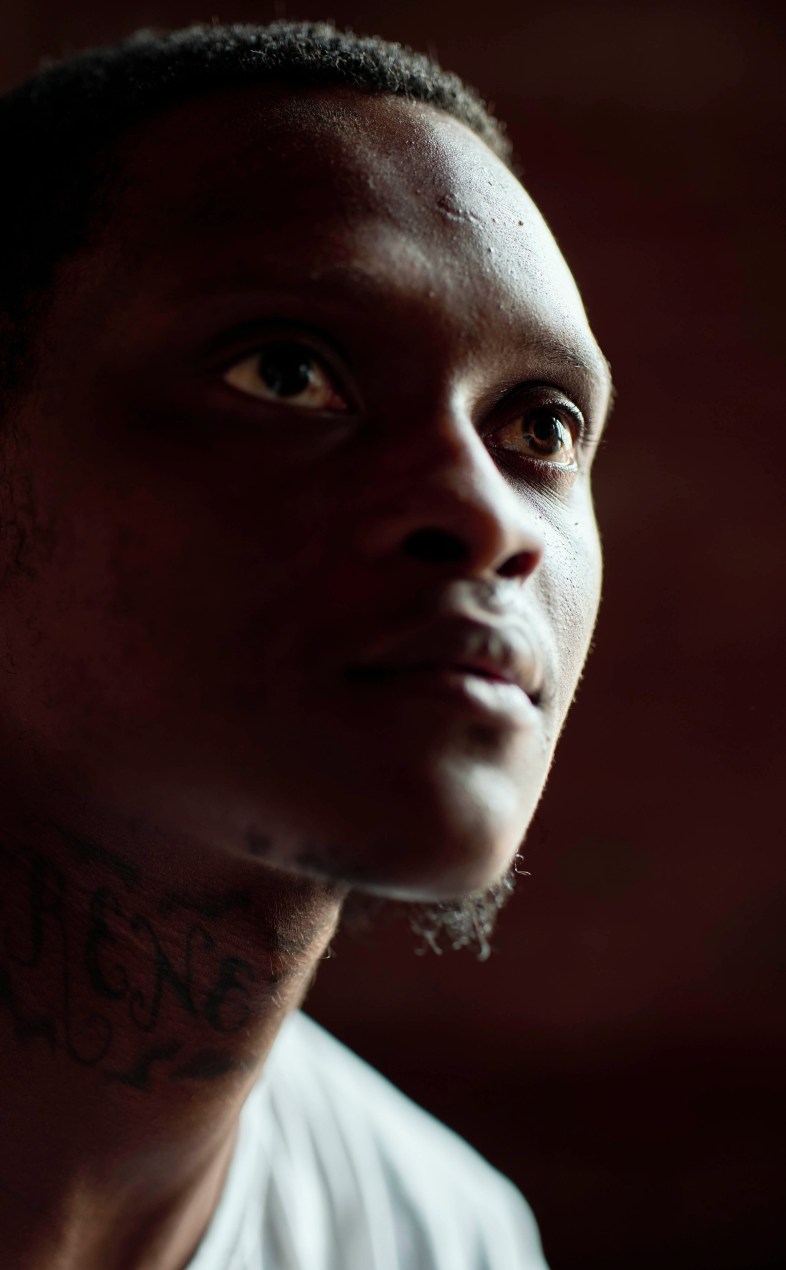
Black, his 22-year-old patient, had arrived at the hospital after getting shot in the head on March 24, 2019. A week later, he was taken to surgery to have his organs removed for donation — even though his heart was beating and he hadn’t been declared brain-dead, Zohny said.
Black’s sister Molly Watts said the family had doubts after agreeing to donate Black’s organs but felt unheard until the 34-year-old doctor, in his first year as a neurosurgeon, intervened.
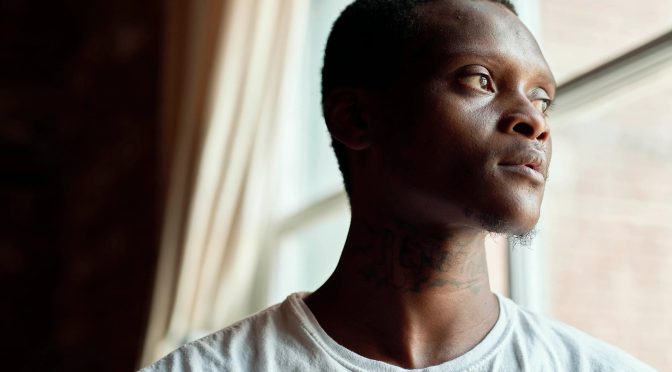
Today, Black, now 28, is a musician and the father of three children. He still needs regular physical therapy for lingering health issues from the gun injury. And Black said he is haunted by what he remembers from those days while he was lying in a medically induced coma.
“I heard my mama yelling,” he recalled. “Everybody was there yelling my name, crying, playing my favorite songs, sending prayers up.”
He said he had tried to show everyone in his hospital room that he heard them. He recalled knocking on the side of the bed, blinking his eyes, trying to show that he was fighting for his life.
Subscribe to KFF Health News’ free weekly newsletter, “The Week in Brief.” Your Email Address
Organ transplants save a growing number of lives in the U.S. every year, with more than 48,000 transplants performed in 2024, according to the Organ Procurement and Transplantation Network, which oversees the nation’s transplant system. And thousands die awaiting donations that never come.
But organ donation has also faced ongoingcriticism, including reports of patients showing alertness before planned organ harvesting. The results of a federal investigation into a Kentucky organ donation nonprofit, first disclosed by The New York Times in June, found that during a four-year period, medical providers had planned to harvest the organs of 73 patients despite signs of neurological activity. Those procedures ultimately didn’t take place, but federal officials vowed in July to overhaul the nation’s organ donation system.
“Our findings show that hospitals allowed the organ procurement process to begin when patients showed signs of life, and this is horrifying,” Health and Human Services Secretary Robert F. Kennedy Jr. said in a statement. “The entire system must be fixed to ensure that every potential donor’s life is treated with the sanctity it deserves.”
Even before this latest investigation, Black’s case showed Zohny that the organ donation system needed to improve. He was initially hesitant to talk to KFF Health News when contacted in July about Black. But Zohny said his patient’s story had stuck with him for years, highlighting that while organ donation must continue, little is understood about human consciousness. And determining when someone is dead is the critical but confusing question at play.
“There was no bad guy in this. It was a bad setup. There’s a problem in the system,” he said. “We need to look at the policies and make some adjustments to them to make sure that we’re doing organ donation for the right person at the right time in the right place, with the right specialists involved.”
LJ Punch, a former trauma surgeon who was not involved with the case but reviewed Black’s medical records for KFF Health News, questioned whether Black’s injury — from gunfire — possibly contributed to how he was treated. Young Black men like Larry Black are disproportionately victims of gun trauma in the United States, and research on such violence is scant. His experience exemplifies “the general neglect” of Black men’s bodies, Punch said.
“That’s what comes up for me,” Punch said. “Structurally, not individually. Not any one doctor, not any one nurse, not any one team. It’s a structural reality.”
The hospital declined to comment on the details of Black’s case. SSM Health’s Kim Henrichsen, president of Saint Louis University Hospital and St. Mary’s Hospital-St. Louis, said the hospital system approaches “all situations involving critical illness or end-of-life care with deep compassion and respect.”
Mid-America Transplant, the federally designated organ procurement organization serving the St. Louis region, does not comment on individual donor cases, according to Lindsey Speir, executive vice president for organ procurement. She did tell KFF Health News that her organization has walked away from cases when patients’ conditions change — though not as late as when they are in the operating room for harvesting.
“Let me be clear about that. It happens way before then,” she said. “It definitely happens multiple times a year where we get consent. The family has made the decision, we approach, we get consent, it’s all appropriate, and then a day or so later they improve and we’re like, ‘Whoa.’”
But Speir said the recent media stories about the nation’s donation system are prompting a lot of questions about a process that also does a lot of good.
“We’re losing public trust right now,” Speir said of the industry. “And we’re going to have to regain that.”
Blink Twice for a Chance at Life
Larry Black Jr. and his sister Molly Watts are still trying to process everything that happened to him while he was hospitalized in 2019 at SSM Health Saint Louis University Hospital.
It was a Sunday afternoon when gunshots rang out in downtown St. Louis. Black had been on his way to his sister’s apartment.
“I didn’t know I was shot at first,” Black said, sitting in his living room six years later. “I literally ran like a block or two away.”
He collapsed moments later, he said, crawling to the back door of a woman’s home, where he asked for help. He said he asked the woman to give him two large towels, one covered in rubbing alcohol and another soaked with hydrogen peroxide. He wrapped those towels around the back of his head.
When his sister Macquel Payne found him, he was lying on the ground near the leasing office of her apartment complex, a crowd gathered around him.
Before an ambulance took him to the hospital, Black told his sister not to worry about him.
Black said he went in and out of consciousness on the way to the hospital and once he was there.
“I got to hitting my hand on the side of the ICU bed,” Black said. “They was like: ‘That’s just the reaction, the side effects of the medicine. Ask him some questions.’”
Payne said she asked her brother to blink twice if he could remember his first pet, a dog named “Little Black” that looked like the Chihuahua from the Taco Bell commercials.
Black said he remembers blinking twice. His sisters remember the same.
Payne asked him another question. This time she wanted to know whether her brother recognized their family. Black said he blinked twice when he saw his mom and sister standing nearby.
Black said his sister then asked him “the main question” that everyone needed him to answer.
“She’s like, ‘If you want them to pull a plug, if you tired and you giving up, blink once,’” Black recalled. “‘If you still got some fight in you, blink more than once.’”
Black said he started blinking and hit the bed to let his family know that he was still with them.
The sisters said hospital staffers told them the movements were involuntary.
‘Not Right Now’
In a waiting room steps away from the hospital’s intensive care unit, a woman carrying brochures explained to Payne and the rest of the family that Black had identified himself as a possible organ donor on his ID.
The woman wanted to know whether the family wished to move forward with the process if Black died, Payne said.
“I remember my mom saying, ‘Not right now,’” Black’s sister recalled. “‘It’s kind of too soon.’”
Payne said the woman persisted.
“She was like, ‘Well, can I at least leave you some brochures or something?’” Payne recalled. “Then my mom got a little agitated because it felt like she was being, like, pushy.”
The family was already acquainted with the organ donation process. In 2007, Black’s teenage brother Miguel Payne drowned at a local lake. His organs were donated, Macquel Payne said, noting the family was told that his body parts and tissues helped multiple people.
“I believe in saving lives,” Payne said. “But don’t be pushy about it.”
Zohny Zohny recently started a medical research company called Zeta Analytica to explore ways of quantifying consciousness, inspired in part by his experience with Larry Black Jr. in 2019. He also will be joining the West Virginia University Rockefeller Neuroscience Institute in October.
Mid-America Transplant handles the organ transplant process for 84 counties in parts of Illinois, Arkansas, and Missouri, including St. Louis. Like the Kentucky organization, it is one of 55 federally designated nonprofits that facilitate organ donations throughout the country.
The nonprofit has never pressured a family into organ donation, Speir said. Registering to be an organ donor is legally binding, she said, but Mid-America has walked away from cases when families didn’t want to move forward.
She said her staff tries to dispel myths about organ donation and alleviate concerns. “We want to have the families leave with a positive experience,” Speir said.
Despite the family’s initial ambivalence, they ultimately consented to moving forward with donating Black’s organs. Watts said members of her brother’s care team had told the family that her brother was at “the end of the road.”
The family was told to prepare for Black’s “last walk of life,” Payne said. Also known as an honor or hero’s walk, the tradition honors the life of an organ donor before the harvesting process begins.
At the time, Payne said, she thought her brother still had a fighting chance. She asked the hospital staffers to take another look at him before he was wheeled down the hall.
“I’m like, ‘My brother’s in there tapping on the bed,’” Payne said. “They said, ‘That’s just his nerves.’ But I’m like, ‘No, something’s not right.’ It’s like he was too alert. He was letting us know: ‘Please don’t let them do this to me. I’m here. I can fight this.’ They were saying that’s what the medicine will do, it affects his nerves.”
After the family had agreed to move forward with the organ donation process, the two sisters said, an especially helpful member of Black’s medical team no longer treated them the same way. She became standoffish, they said.
“You could tell the dynamics had changed,” Watts said.
‘#RIPMyBrother’
The family put on blue jumpers for the walk of life. “We just walked around the floor, and everybody was, like, acknowledging him,” Payne said. “We just thought this was the end.”
A friend Black went to high school with filmed part of the ritual. In a short clip, Black is seen being wheeled on a stretcher down a hallway in the hospital. His eyes are half-open. People are crying.
False rumors then started to swirl outside the hospital.
Macquel Payne was among the family members at SSM Health Saint Louis University Hospital when her brother Larry Black Jr. was being prepped to have his organs harvested in 2019.
Lawrence Black Sr. says he refused to believe that his son, Larry Black Jr., was dead in 2019 when he heard a rumor that his son’s body was being taken to the SSM Health Saint Louis University Hospital morgue. He says he prayed for his son to live. Today, his son is walking, talking, and the father of three children.
Brianna Floyd said she went into shock when she heard that her friend was dead. She knew that Black had been shot in the head. But a few days earlier, a local newspaper had reported that he was in stable condition.
Floyd checked Facebook to see whether the news of his death was true. Her timeline was flooded with farewell posts for Black, so she decided to write one, too.
“I Love You So Much Brother,” Floyd wrote. “#RIPMyBrother. Never Thought I Would Say That.”
Black’s father rushed to the hospital when he heard a rumor that his son was being wheeled to the morgue.
“‘He’s gone,’” Lawrence Black Sr. recalled being told. “‘He’s going to the freezer now.’”
Black Sr. said he refused to believe that his son was dead. The thought was devastating. He had already experienced that kind of loss to gun violence.
“You wake up and nothing’s the same,” Black Sr. said. “The spirit is lingering for about a week, and you can feel it, you know?”
Overwhelmed with emotion, he prayed for his son to live.
‘I Can’t Kill Your Son’
Zohny, the neurosurgeon, said he heard an announcement about a “hero’s walk” over a loudspeaker in the hospital. He wasn’t familiar with the term, so he asked about it. Medical residents in the hospital explained and told Zohny that the walk was possibly for his patient Larry Black.
“No, that can’t be my patient,” Zohny said he told them. “I didn’t agree.”
That’s when Zohny called the ICU to check on Black’s status. A person who answered the phone told him that Black was being wheeled to an operating room, he said.
“This is my first year,” Zohny said. “Your first year out as a neurosurgeon is the riskiest time for you. Any mistakes, anything small, basically derails your career. So the moment this happened, my legs went weak and I was very nervous because, at the end of the day, your job as a doctor is to be perfect.”
KFF Health News, Zohny, and Punch all reviewed the medical files given to Black from his hospitalization. It’s not clear from the records what led to that moment.
“In every case, the patient must be declared legally dead by the hospital’s medical team before organ procurement begins. This is not negotiable,” Mid-America Transplant’s CEO and president, Kevin Lee, wrote in an Aug. 21 blog post on the nonprofit’s website, responding to the news and federal comments about the investigation centered in Kentucky. “Mid-America Transplant strictly follows all laws, regulations, and hospital protocols throughout the process.”
He said in a statement to KFF Health News that a person can be pronounced dead in two ways. A person is legally dead if their heart stops beating and they stop breathing, which is when donation after cardiac death can occur. A person can also become an organ donor if their brain, including the brain stem, has irreversibly ceased functioning, which is when brain death donation can occur.
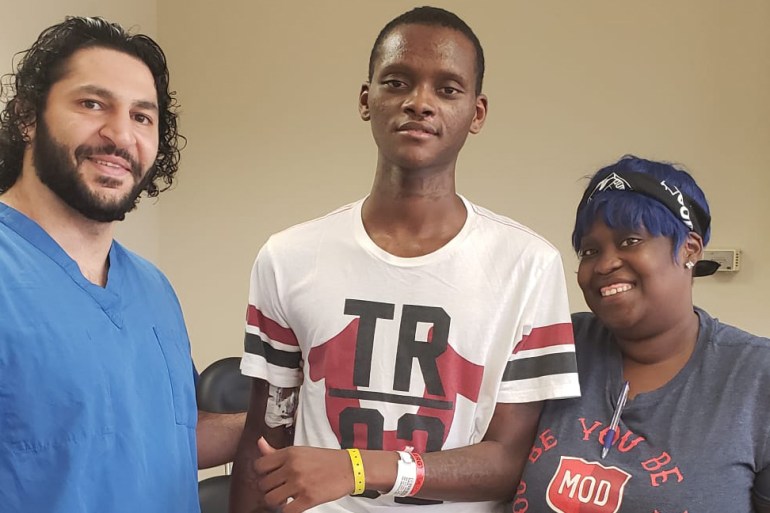
Zohny Zohny (left), a neurosurgeon, stands with his patient Larry Black Jr. and Black’s sister Molly Watts in a photograph taken at a follow-up medical appointment in 2019. Black was shot in the head in St. Louis earlier that year.
“Every hospital has their own process in declaring both types of death,” Speir said in a statement. “Mid-America Transplant ensures hospitals follow their policies.”
But Black didn’t fall into either category, Zohny said. And, he said, Black hadn’t had what is known as a brain death exam.
Zohny said he immediately informed his chairman about the situation, then started running to the operating room. Black’s family was waiting in the hallway, unaware of the drama happening behind a set of closed silver doors.
Then Zohny emerged, pulling Black’s family into an empty operating room that was nearby.
“I remember he told my mama, ‘I can’t kill your son,’” Payne recalled. “She said, ‘Excuse me?’”
Zohny put an image of Black’s brain on a screen. Then he circled the part of his brain that was damaged. He explained that Black’s gunshot wound was something that he could possibly recover from, though he might need therapy. He asked the family whether they were willing to give Black more time to heal from the injury, instead of withdrawing care.
“In my opinion, no family would ever consent to organ donation unless they were given an impression that their family member had a very poor prognosis,” Zohny said. “I never had a conversation with the family about the prognosis, because it was too early to have that discussion.”
Zohny knew that he was taking a professional risk when he ran into the operating room.
“The worst-case scenario for me is that I lose my job,” he recalled thinking. “Worst-case scenario for him, he wrongfully loses his life.”
Later, Zohny said, a hospital worker who transported Black from the ICU to the operating room told Zohny that something had seemed off.
“I remember him looking at me and saying, ‘I’m so glad you stopped that,’” Zohny recalled. “And I said, ‘Why?’ And he said: ‘I don’t know. His eyes were open the whole time, and I just felt like he was looking at me. His eyes didn’t move, but it felt like he was looking at me.’”
‘Back From the Dead’
After Zohny’s intervention, Black was wheeled back to the ICU. Zohny said the medical team held back all medications that caused his sedation.
Black woke up two days later, Zohny said, and started speaking. Within a week, the neurosurgeon said, he was standing.
“I had to learn how to walk, how to spell, read,” Black said. “I had to learn my name again, my Social, birthday, everything.”
Zohny continued to care for Black during what remained of his 21 days in the hospital. During a follow-up appointment, he posed for a photo with Black and his older sister, Watts. Next to Zohny, Black is standing up, a brace on his leg.
“It’s a miracle that despite flawed policy we were able to save his life,” Zohny said. “It was an absolute miracle.”
To help Larry Black Jr. process his gunshot injuries and an aborted surgery to harvest his organs in 2019, he makes music under the name BeamNavyLooney. “I am back from the dead,” he recently wrote in a song about his experience.
Zohny, who was working as a fellow and assistant professor at the time, left Saint Louis University Hospital for another job later that year when his fellowship ended. He said Black’s story made him question what we know about consciousness.
He’s now working on a new method that quantifies consciousness. Zohny said it could possibly be used to help measure consciousness from brain signals, such as with an electroencephalogram, or EEG, a test that measures electrical activity in the brain. Zohny said his method still needs rigorous validation, so he recently started a medical research company called Zeta Analytica, separate from his work at the West Virginia University Rockefeller Neuroscience Institute, which he’ll begin in October.
“We don’t understand the brain to the level that we should, especially with all of the technology we have now,” Zohny said.
Today, Black is trying to move forward. He said he has seizures if the bullet fragments in his head move around too much. He said he easily overheats because of the injury.
He doesn’t blame his family for their decision. But he questions the organ transplantation process. “It’s like they choose people’s destiny for them just because they have an organ donor ribbon on their ID,” Black said. “And that’s not cool.”
To help him process everything that happened to him in 2019, he makes music under the name BeamNavyLooney. “I am back from the dead,” he recently wrote in a song about his experience.
Earlier this year, Black celebrated the birth of another son, who was sleeping peacefully at home as Black recounted his story.
“He doesn’t really cry,” Black said. “He just makes noises.”
Black sat with a firearm within reach. He said he keeps the gun close to protect his family. It’s still hard for him to sleep at night. Nightmares about what happened — both on the street and in the hospital — keep him awake.
He said he no longer wants to be on the organ donor registry.
Republished with permission under license from KFF HealthNews.
We’re excited to announce the release of the 3rd Edition of Legal Research for Non-Lawyers – a major 2025 update designed to make legal self-help clearer, faster, and more effective.
For years, Legal Research for Non-Lawyers has helped people across the country understand how to research the law, represent themselves in court, and protect their rights when hiring a lawyer wasn’t an option. This new edition takes things even further.
🔑 What’s New in the 3rd Edition
An entire chapter on using AI tools to speed up legal research and break down complex legal concepts.
Updated resources for 2025 with clearer guidance and practical checklists.
Expanded examples and forms to help you draft pleadings, motions, and objections.
⚖️ Why This Book Matters
Attorney fees can cost hundreds of dollars per hour, putting justice out of reach for many people. This book gives you the knowledge and tools to:
Respond effectively to lawsuits.
Fight debt collectors and predatory practices.
Research state and federal law with confidence.
Prepare for hearings, trials, and even appeals.
💡 Instant Access
The 3rd Edition is available now as a PDF download for just $19.95. 👉 Get your copy here
Don’t let the cost of legal help keep you from justice. With preparation and the right tools, you can represent yourself with confidence.
Understanding First Amendment Protections in Public Schools
Introduction
by R. Randall Hill
High profile firings as a result of comments made about the murder of Charlie Kirk was the primary motivation for this article.
Prior to his murder, I wasn’t familiar Charlie Kirk, however, his rhetoric was described as divisive, racist, xenophobic, and extreme by groups that studied hate speech, including the Southern Poverty Law Center.
Freedom of speech is an important contributor to critical thinking because it presents ideas and different points of view that might not be considered otherwise. Below is video of Shahid King Bolson, responding to the killing of Charlie Kirk, which in my opinion is one of the best responses I have seen!
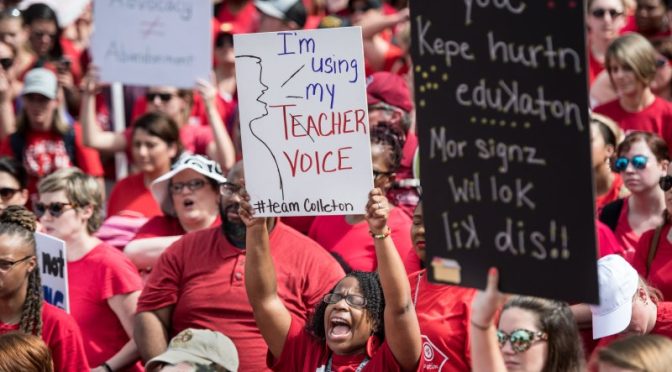
As a public school teacher, you are both a government employee and a private citizen with constitutional rights. This dual status creates a complex legal landscape where your First Amendment right to free speech intersects with your professional obligations and your employer’s authority. Understanding these boundaries is crucial in today’s digital age, where a single social media post can have career-ending consequences.
It’s important to note that your First Amendment protections against your school district employer exist because of the Fourteenth Amendment’s Due Process Clause. Originally, the Bill of Rights only protected citizens from federal government actions, not state or local governments. Through a legal doctrine called “incorporation,” the Supreme Court has gradually applied First Amendment protections to state and local government actions, including those by public school districts. This means that while you work for a state entity, you retain constitutional protections that can be enforced in federal court.
This guide will help you navigate the intricate balance between your rights as a citizen and your responsibilities as a public educator, providing you with the legal knowledge needed to make informed decisions about your speech both inside and outside the classroom.
The Legal Foundation: Key Supreme Court Cases
Pickering v. Board of Education (1968): The Foundational Case
The Supreme Court’s decision in Pickering v. Boardof Education established the basic framework for public employee speech rights that remains in effect today. Marvin Pickering, a high school teacher in Illinois, was fired for writing a letter to a local newspaper criticizing the school board’s allocation of funds between athletics and academics.
The Court ruled that Pickering’s dismissal violated the First Amendment, establishing that public employees do not surrender their free speech rights simply by accepting government employment. However, the Court also recognized that the government has interests as an employer that differ from those it has as sovereign.
The Pickering Test weighs:
The employee’s interest in commenting on matters of public concern
The state’s interest in promoting effective and efficient public services
Connick v. Myers (1983): Defining “Public Concern”
In Connick v. Myers, the Court refined the Pickering standard by establishing that speech must address a “matter of public concern” to receive First Amendment protection. Sheila Myers, an assistant district attorney, was fired after distributing a questionnaire to colleagues about office policies and morale.
The Court held that speech on matters of purely personal interest (like workplace grievances) receives less protection than speech on issues of broader public significance. This case established the critical first step in analyzing public employee speech: determining whether the speech addresses a matter of public concern.
Key Factors for “Public Concern”:
Political, social, or other concerns of the community
Issues that would be of legitimate news interest
Matters relating to political, social, or other concerns of the community
Garcetti v. Ceballos (2006): The Official Duties Exception
The Court’s decision in Garcetti v. Ceballos significantly narrowed First Amendment protection for public employees. Richard Ceballos, a deputy district attorney, faced retaliation after writing a memo questioning the truthfulness of a search warrant affidavit.
The Court ruled that when public employees speak pursuant to their official duties, they are not speaking as citizens and therefore have no First Amendment protection. This created what’s known as the “official duties exception.”
Critical Impact for Teachers:
Speech made as part of curriculum, lesson plans, or official communications may lack protection
The line between personal and professional speech becomes crucial
Academic freedom arguments may apply differently than general free speech protections
Rankin v. McPherson (1987): Context Matters
In this case, Constance McPherson, a deputy constable, was fired for saying “If they go for him again, I hope they get him” after learning of an assassination attempt on President Reagan. Despite the shocking nature of the comment, the Court found her dismissal unconstitutional.
The Court emphasized that the content, form, and context of speech must all be considered, and that even offensive speech on matters of public concern may be protected if it doesn’t disrupt workplace operations.
Modern Applications and Social Media Challenges
The Digital Transformation of Teacher Speech
Social media has fundamentally changed how teacher speech cases arise and are analyzed. Platforms like Facebook, Twitter, Instagram, and TikTok blur traditional boundaries between public and private expression, creating new legal challenges.
Key Social Media Considerations
1. Audience and Accessibility
Public posts are more likely to be considered matters of public concern
Privacy settings may not provide legal protection
Students, parents, and administrators may have access to “private” content
2. Professional vs. Personal Identity
Using your real name or school affiliation strengthens the connection to your employment
Professional photos or school-related content blur personal/professional lines
Time of posting (during school hours vs. personal time) matters
3. Impact and Disruption
Did the post cause actual disruption to the school environment?
Did it undermine your effectiveness as a teacher?
How did the school community respond?
Common Scenarios and Their Legal Analysis
Scenario 1: Political Expression
Example: A teacher posts on Facebook supporting or opposing a political candidate, tax levy, or controversial policy.
Legal Analysis:
Political speech typically addresses matters of public concern
Protection is strongest when posted on personal accounts during non-work hours
Risk increases if posts attack specific school officials or policies
Context matters: a post supporting higher education funding may be viewed differently than one attacking local school leadership
Protection Level: Generally HIGH, but depends on specific content and context
Scenario 2: Curriculum and Educational Policy Criticism
Example: A teacher criticizes standardized testing, curriculum changes, or educational policies on social media.
Legal Analysis:
Educational policy is clearly a matter of public concern
May be protected even if critical of employer’s policies
Risk increases if speech is made pursuant to official duties (e.g., as part of committee work)
Consider whether criticism is constructive vs. purely negative
Protection Level: MODERATE to HIGH, depending on role and context
Scenario 3: Student-Related Posts
Example: A teacher posts about challenging students, difficult parents, or classroom incidents without naming individuals.
Legal Analysis:
Generally receives less protection as it’s more about personal job grievances
Risk of privacy violations and professional ethics concerns
May not constitute “public concern” under Connick standard
High risk of disrupting school operations and relationships
Protection Level: LOW to NONE
Scenario 4: Personal Lifestyle and Off-Duty Conduct
Example: A teacher posts photos from social events, discusses personal relationships, or shares lifestyle choices.
Legal Analysis:
Personal lifestyle typically not a matter of public concern
Protection depends on whether conduct affects job performance
Community standards and local values may influence analysis
Higher risk in small communities where teachers are public figures
Protection Level: LOW, varies by community
Scenario 5: Social Justice and Controversial Issues
Example: A teacher posts about racial justice, LGBTQ+ rights, religious issues, or other socially divisive topics.
Legal Analysis:
Social issues typically constitute matters of public concern
High potential for community controversy and disruption
Balance between First Amendment rights and professional obligations
Consider school policies and community demographics
Protection Level: MODERATE, highly fact-dependent
Scenario 6: Criticism of School Administration
Example: A teacher publicly criticizes the principal, superintendent, or school board decisions.
Legal Analysis:
May be protected if addressing matters of public concern (policy, budget, educational quality)
Less protection for personal attacks or grievances
Consider whether alternative channels for complaints were available
Risk of workplace disruption and undermined authority
Protection Level: MODERATE, depends on nature and basis of criticism
Best Practices for Protecting Your Rights
Social Media Guidelines
Maintain Separate Professional and Personal Accounts
Use privacy settings consistently
Consider using a pseudonym for personal accounts
Avoid connecting with current students on personal accounts
Think Before You Post
Consider how content might be perceived by different audiences
Ask: “Would I be comfortable if this appeared in the local newspaper?”
Remember that screenshots can make “private” content public
Understand Your District’s Policies
Review social media and technology use policies
Understand reporting and discipline procedures
Know your union contract provisions
Document Everything
Save copies of posts that might be controversial
Document any retaliation or adverse employment actions
Keep records of policy violations alleged by administration
Professional Communication Strategies
Focus on Issues, Not Personalities
Criticize policies and practices, not individuals
Use constructive rather than inflammatory language
Propose solutions alongside criticisms
Choose Appropriate Forums
Consider internal channels before going public
Understand when union representation is appropriate
Know the difference between protected speech and insubordination
Understand Timing and Context
Be especially cautious during contract negotiations
Consider the impact on ongoing school issues
Respect sensitive periods (crises, investigations, etc.)
When Protection May Not Apply
The Garcetti Exception in Schools
Speech made pursuant to official duties receives no First Amendment protection. For teachers, this includes:
Curriculum-related communications
Grade reports and student evaluations
Committee work and professional development
Official school communications
Disruption and Efficiency
Even protected speech can be restricted if it:
Materially disrupts school operations
Undermines working relationships
Interferes with educational mission
Creates safety or security concerns
Professional Ethics and Standards
Teachers are held to higher standards than other public employees regarding:
Student confidentiality and privacy
Professional conduct and morality clauses
Community role model expectations
Fitness to teach determinations
State Law Variations and Additional Protections
Academic Freedom Statutes
Some states have specific academic freedom protections that may provide broader rights than federal constitutional protections. Research your state’s specific laws.
Whistleblower Protections
Many states have whistleblower statutes that protect employees who report illegal activities, safety violations, or misuse of public funds.
Union Contract Provisions
Collective bargaining agreements may provide additional procedural protections and substantive rights beyond constitutional minimums.
What to Do If You Face Retaliation
Immediate Steps
Document the situation thoroughly
Contact your union representative
Preserve all evidence (posts, emails, witness statements)
Follow grievance procedures if applicable
Consult with an employment attorney
Legal Options
Section 1983 civil rights lawsuits
State court wrongful termination claims
Administrative grievances and appeals
EEOC complaints if discrimination is involved
Recent Trends and Future Considerations
Technology and Privacy
Courts are still grappling with how traditional First Amendment analysis applies to:
Disclaimer: This guide provides general legal information and should not be considered legal advice. First Amendment law is complex and highly fact-specific. Laws vary by state and jurisdiction. If you’re facing employment action related to your speech, consult with an experienced employment attorney who specializes in public employee rights and First Amendment law. Your union representative can also provide valuable guidance and support.
Remember: The best protection is prevention. Think carefully before you post, understand your district’s policies, and when in doubt, consult with knowledgeable advocates before taking action that could jeopardize your career.
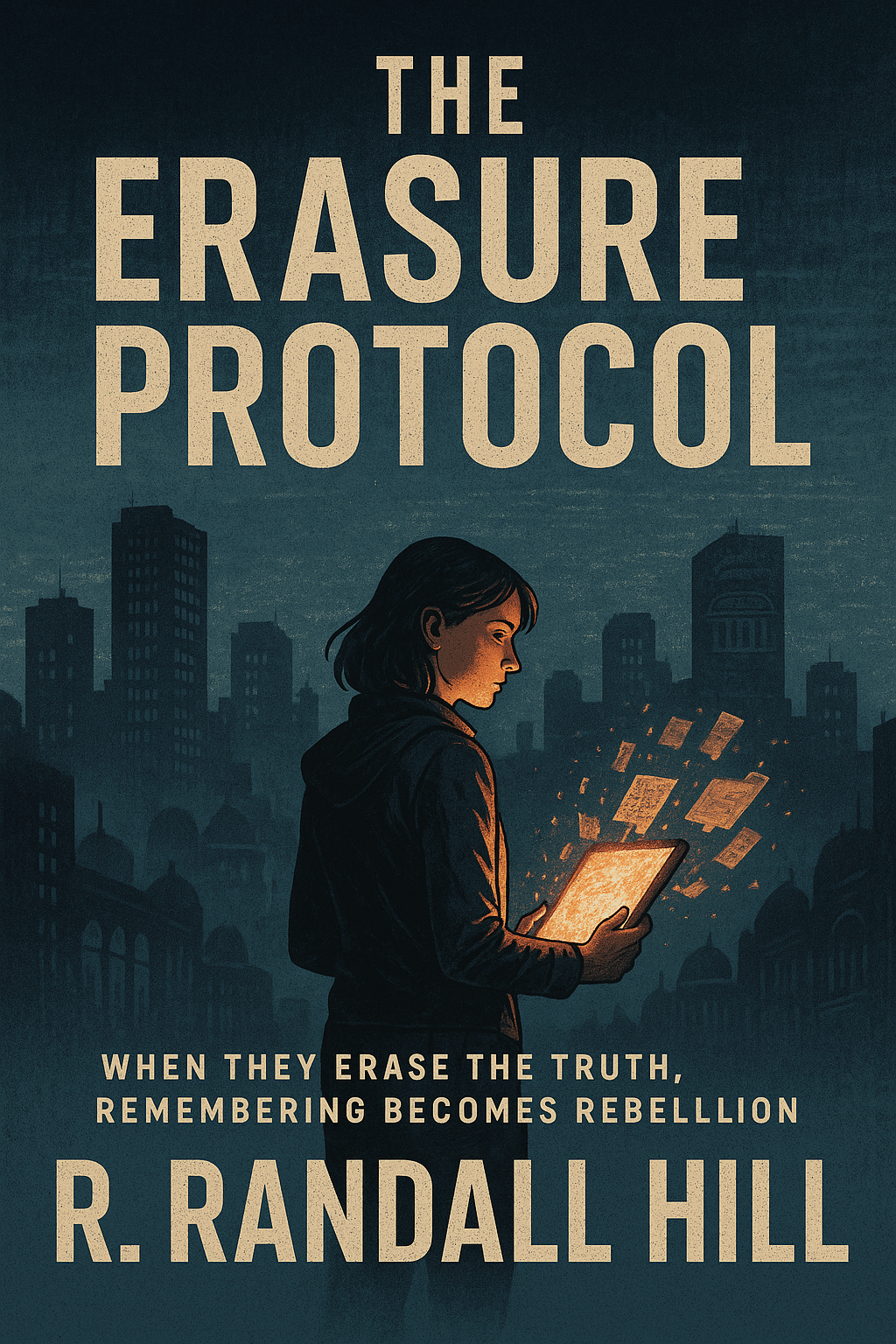
Imagine waking up in a world where schools no longer exist, history books are banned, and even memory is policed. That’s the chilling reality of The Erasure Protocol, the new dystopian novel by R. Randall Hill, author of Legal Research for Non-Lawyers and founder of Court.Rchp.com.
A Glimpse Inside the Story
“When they erase the truth, remembering becomes rebellion.”
In a near-future America where mass education has ended because of AI, citizens are divided into rigid classes:
Dependents, pacified with meaningless “comfort learning.”
Productives, trained only for repetitive labor.
Essentials, groomed to rule.
But one young woman, Maya, refuses to forget. With a hidden tablet and fragments of forbidden knowledge, she discovers that memory itself can be a weapon. As she connects with underground “Memory Keepers,” Maya must risk everything to challenge a system built on ignorance and control.
While fictional, the book is rooted in documented history:
From Roman “bread and circuses,”
To Bacon’s Rebellion,
To slave codes and the systematic exclusion of minorities from education.
These examples show how knowledge has been manipulated to maintain power. The novel’s warning feels urgent today, when schools and libraries face renewed pressure to restrict curricula or sanitize history.
Why This Story Matters Now
At Court.Rchp.com, our mission has always been to empower ordinary citizens with access to legal knowledge. The Erasure Protocol carries that mission into fiction, reminding us that access to truth is never guaranteed—it must be protected.
As the story makes clear: the most dangerous phrase in any language may be “Don’t worry about it.”
A Tribute to Teachers and Knowledge Keepers
This novel is also a tribute to the educators, librarians, and ordinary citizens who preserve and share knowledge, often at great personal cost. They are the heroes who stand between truth and erasure.
About the Author
R. Randall Hill is the author of Legal Research for Non-Lawyers and the founder of Court.Rchp.com, a free self-help legal website. His work is dedicated to empowering ordinary citizens to access knowledge and defend their rights.
Get Your Copy
The Erasure Protocol is available now in PDF, and Kindle formats. Teachers, administrators, and school staff can receive a 50% discount as a thank-you for their dedication to education.
If this story resonates with you, please share this article with a teacher, librarian, parent, or student who believes that education is freedom.
Closing Thought: The most dangerous phrase in any language may be: “Don’t worry about it.” The Erasure Protocol challenges us all to worry about it—to remember, to resist, and to keep the truth alive.